What Tea is Good for a Sore Throat? A Tea Sommelier's Guide to Winter Botanicals
That scratchy throat feeling. The aching jaw. The moment you realise you're about to lose a week to a cold if you don't do something about it now.
I've been a tea sommelier for over a decade, blending teas for Melbourne's best day spas, yoga studios, and hospitality venues. When something's coming on, I don't reach for a supermarket teabag. Here are the botanicals I actually reach for — and the science behind each one.
The botanicals that help with sore throats and cold and flu symptoms
Lemon Myrtle
Lemon myrtle (Backhousia citriodora) is one of Australia's most powerful native botanicals and the one I keep coming back to above everything else. Research has confirmed its potent antimicrobial and antifungal properties (Wilkinson et al., 2003), and a 2020 study found significant anti-inflammatory and antioxidative activity in the leaf extract (Shim et al., 2020). Its active compound, citral, is found in higher concentrations in lemon myrtle than in any other plant source — including lemongrass and lemon essential oil.
What it helps with: sore throat, congestion, early cold symptoms.
How to brew it: 100°C, steep for 4–5 minutes minimum. Lemon myrtle needs time to release its active compounds — don't rush it.
In our range: Cold & Flu Tea, Lemon Myrtle Ginger
Ginger
A 2020 systematic review of 109 randomised controlled trials confirmed that ginger (Zingiber officinale) has solid scientific evidence behind its ability to reduce inflammation in the body — which is responsible for many of the symptoms we feel when we're unwell, including a sore throat, body aches, and congestion. It's also antimicrobial, warming, and one of the most well-researched botanicals in herbal medicine.
What it helps with: sore throat, congestion, body aches, nausea, general cold symptoms.
How to brew it: 100°C, 4+ minutes. Ginger is one of the few botanicals that handles a longer steep without turning bitter — if anything, longer is better.
In our range: Cold & Flu Tea, Lemon Myrtle Ginger
Lemongrass
Lemongrass (Cymbopogon citratus) has been traditionally used across Southeast Asia to alleviate coughs, fever, and joint pain — and modern research supports this traditional use (Nambiar & Matela, 2012). It pairs synergistically with lemon myrtle, where the compounds of both plants work together more effectively than either does alone.
What it helps with: cough, fever, congestion, general cold symptoms.
In our range: Cold & Flu Tea, Lemon Myrtle Ginger
Elderberry
In 2016, 312 economy class passengers on long-haul flights took part in a randomised, double-blind, placebo-controlled clinical trial. The group taking elderberry extract were less likely to get a cold, and those who did had significantly shorter duration and fewer symptoms than the placebo group (Tiralongo, Wee & Lea, 2016). This is unusually strong evidence for a botanical — most wellness ingredients are backed by in-vitro studies, not human clinical trials.
What it helps with: reducing cold duration, immune modulation, antiviral support.
How to use it: start drinking as soon as you feel symptoms — not once you're already unwell. Consistency matters more than quantity.
In our range: Berry Antioxidant Tea, Cold & Flu Tea
Olive Leaf
Olive leaf is still underused in tea blending, despite having real research behind it. The active compound oleuropein has demonstrated antimicrobial, antiviral, and immune-supporting properties, including in studies on respiratory infections. It has a slightly bitter, earthy flavour that pairs well with the lemon-forward botanicals in our Cold & Flu Tea.
What it helps with: immune support, antiviral defence, general winter wellness.
In our range: Cold & Flu Tea
Orange Peel
High in Vitamin C and flavonoids, orange peel supports immune function and helps protect cells from oxidative damage. It also brightens and rounds out the flavour of a blend — making a functional tea genuinely pleasant to drink when you're feeling terrible, which matters when you need to get 4–6 cups in across a day.
What it helps with: immune support, antioxidant protection, flavour.
In our range: Cold & Flu Tea
The brewing mistake that makes wellness teas useless
This is the most common thing I see: people steep their tea for 60–90 seconds and wonder why it isn't helping.
Botanical teas are not black tea. The antimicrobial and anti-inflammatory compounds in lemon myrtle, ginger, olive leaf, and elderberry require 4–6 minutes at 100°C to fully extract. A short steep gives you flavour without the therapeutic benefit.
If your cup is pale, it hasn't steeped long enough.
One more tip: most botanicals can be steeped twice. Add one extra minute to the second infusion — you get roughly 60–70% of the active compounds in the second steep. Don't throw out the leaves.
What I make when I feel a sore throat coming on
My personal routine from the moment I feel something starting:
Morning: Cold & Flu Tea, steeped 5 minutes, with a teaspoon of raw honey and a squeeze of lemon. Honey adds its own antimicrobial properties; the acid in lemon helps with absorption.
Afternoon: Lemon Myrtle Ginger, steeped 5 minutes, twice from the same leaves. Lighter and more refreshing — good for keeping up your fluid intake without feeling like you're constantly medicating yourself.
Evening: Berry Antioxidant Tea, steeped 4 minutes. The elderberry and hibiscus make it naturally sweet — the one that actually feels like a treat when you're feeling rough.
I aim for 4–6 cups across the day. Hydration is doing as much work as the botanicals.
Our teas for sore throats and winter immunity
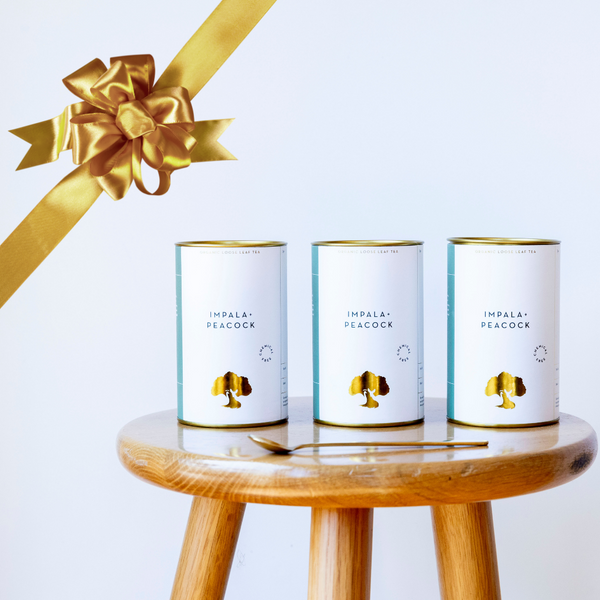
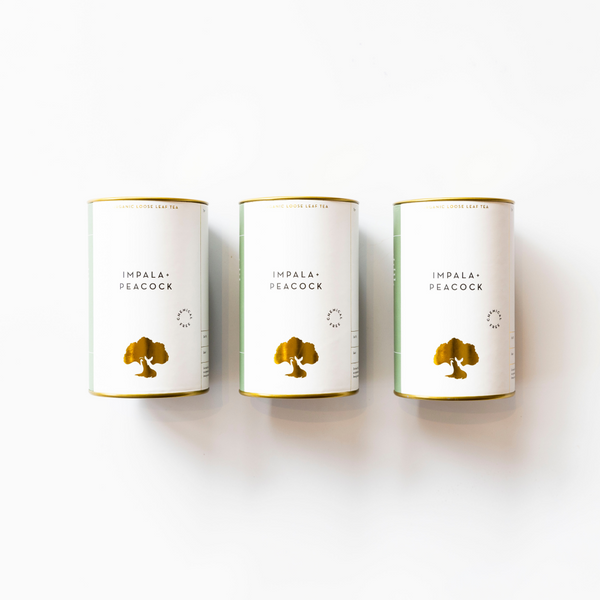
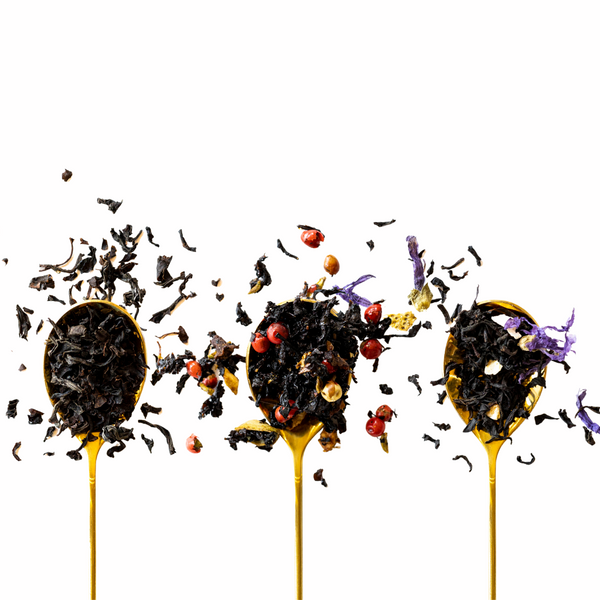
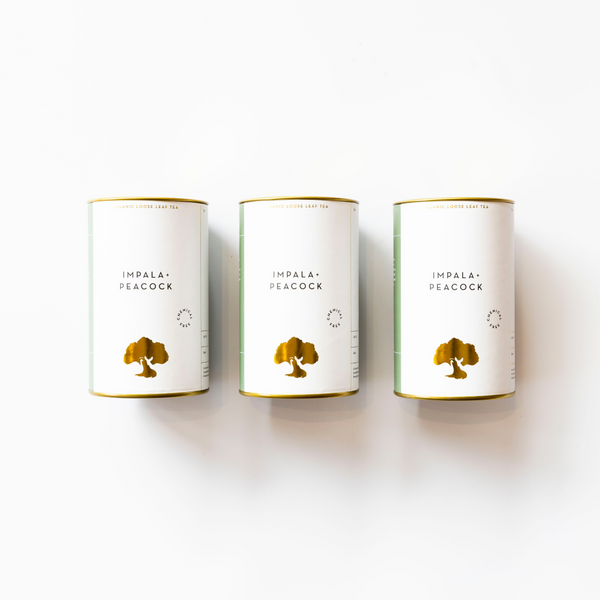
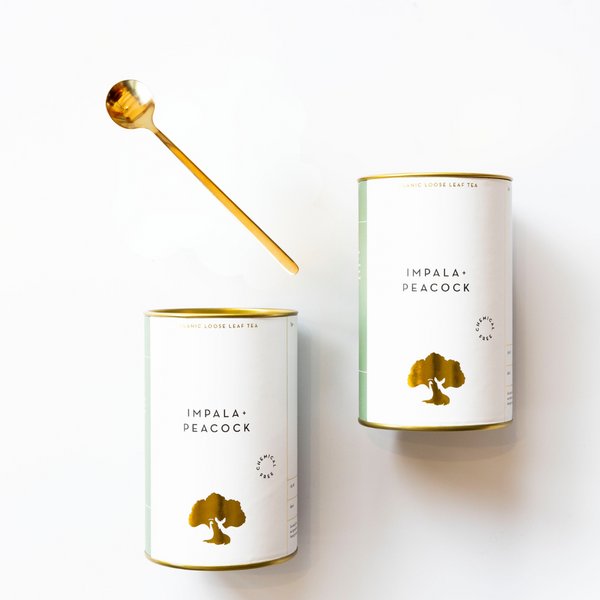
All three teas above are available individually or as the Winter Remedy Tea Bundle — $79 for all three, hand blended fresh in Melbourne every week, free shipping over $90.
Shop the Winter Remedy Tea Bundle →
Want the quick-reference version? Download our free Winter Wellness Tea Guide — a one-page botanical chart with brew times, symptom matcher, and Sarah's personal winter routine.
Get the free guide →
Reminder: Utmost care was taken in creating this post. We still encourage seeking out medical support and exercising good judgment when it comes to health and wellness information. This post is general advice only — if you are pregnant, breastfeeding, or have medical concerns, always consult a doctor before introducing herbs, botanicals, or teas into your diet.
Research references:
- Nambiar V., Matela H. Potential functions of lemon grass (Cymbopogon citratus) in health and disease. Int. J. of Pharmaceutical and Biological Archives. 2012;3(5):1035–1043. [ResearchGate]
- Anh N.H., Kim S.J., Long N.P., Min J.E., Yoon Y.C., Lee E.G. Ginger on human health: A comprehensive systematic review of 109 randomized controlled trials. Nutrients. 2020;12. [PMC free article] [PubMed] [Google Scholar]
- Wilkinson J.M., Hipwell M., Ryan T., Cavanagh H.M.A. Bioactivity of Backhousia citriodora: Antibacterial and antifungal activity. J. Agric. Food Chem. 2003;51(1):76–81. doi: 10.1021/jf0258003. [PubMed]
- Shim S.Y., Kim J.H., Kho K.H., Lee M. Anti-inflammatory and anti-oxidative activities of lemon myrtle (Backhousia citriodora) leaf extract. Toxicology Reports. 2020;7:277–281. doi: 10.1016/j.toxrep.2020.01.018. [PubMed]
- Tiralongo E., Wee S.S., Lea R.A. Elderberry supplementation reduces cold duration and symptoms in air-travellers: A randomized, double-blind placebo-controlled clinical trial. Nutrients. 2016 Mar 24;8(4):182. doi: 10.3390/nu8040182. [PMC free article] [PubMed] [Google Scholar]
- Basch E., Bent S., Foppa I., Hashmi S., Kroll D., Mele M., Szapary P., Ulbricht C., Vora M., Yong S. Marigold (Calendula officinalis L.): an evidence-based systematic review by the Natural Standard Research Collaboration. J Herb Pharmacother. 2006;6(3-4):135–59. doi: 10.1080/j157v06n03_08. [PubMed]